STARTUP SOURCING GUIDE
Top 10 Gym Wear Manufacturers for Startups
Your first manufacturing partner should fit your budget, product brief and approval process. A low advertised minimum is useful only when the fabric, colors, sizing and branding you need are actually available at that quantity.
Quick answer: Startups can shortlist FreeFeel Gym Wear, Ohsurewear, Hingto, HUCAI, AEL Apparel, FittDesign, Lefty Production Co., Tack Apparel, Ninghow Apparel and New High Limited. Compare each supplier’s product specialization, actual minimum order quantity, sample process, development support and landed cost. Choose only after reviewing a relevant sample and confirming written production terms.
How this list was selected: This guide is published by FreeFeel Gym Wear, which is included in the list and has a commercial interest in manufacturing inquiries. Selection considers publicly described gymwear capabilities, small-order positioning, development support and the information available for comparison. Numbers organize the shortlist; they are not an independently audited quality ranking.
FreeFeel details draw on its supplied fact library. Other supplier descriptions draw on official pages reviewed on October 17, 2026. Suggested project fits are editorial assessments based on available information. We have not conducted comparative factory audits or placed test orders with all suppliers. Confirm prices, minimums, production locations and schedules directly.
What Is a Gym Wear Manufacturer?
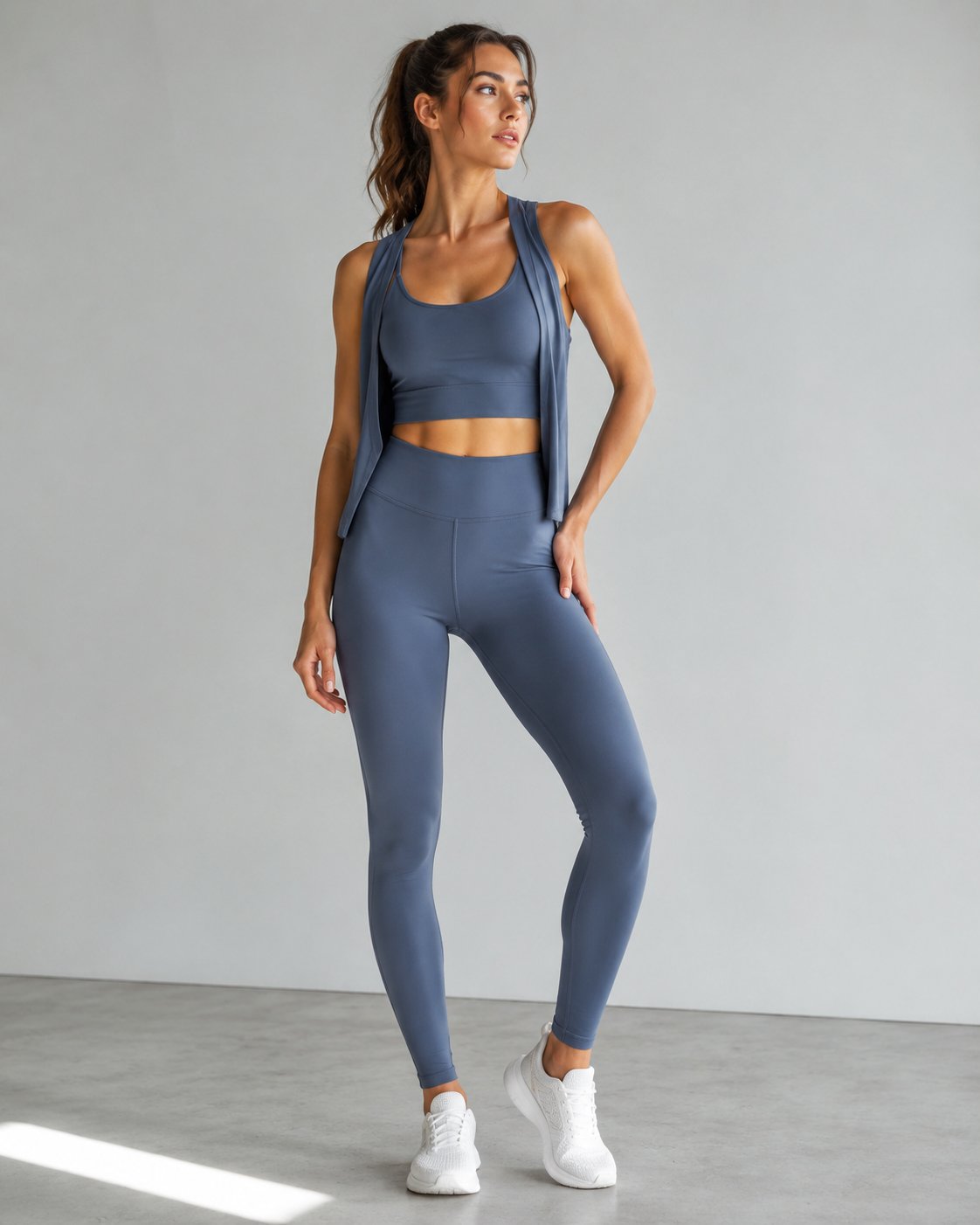
A gym wear manufacturer develops or produces clothing intended for exercise, such as training shorts, leggings, sports bras, workout tops and warm-up layers. Depending on its service model, it may handle pattern development, fabric sourcing, sampling, branding, sewing, inspection and packing.
Startups should clarify the scope behind each service name. One supplier’s “private label” offer may mean branding an existing style; another may include fit changes or more extensive development.
| Route | Typical Starting Point | What to Clarify |
|---|---|---|
| Private Label / White Label | An existing garment or base style with your branding. | Which details can change and whether other brands can buy the same base style. |
| ODM | A supplier-developed concept adapted to your direction. | Design ownership, permitted modifications and exclusivity. |
| OEM / Custom Cut-and-Sew | Your design and approved manufacturing specifications. | Pattern development, sampling fees, technical-file ownership and fit responsibility. |
For a first drop, an existing base style can reduce development work if its fit and fabric already suit your customer. Custom development makes more sense when the difference you want to sell depends on construction, measurements or material choices.
Quick Comparison: 10 Gym Wear Manufacturers to Shortlist
The project-fit column is a starting point for inquiries. It is not a claim that one supplier is objectively superior. An advertised minimum is not a binding offer for every material or design.
| Manufacturer | Potential Startup Project Fit | MOQ Information to Verify |
|---|---|---|
| FreeFeel Gym Wear | A focused first custom collection. | 100 pieces per color per style; mixed sizes normally possible. |
| Ohsure wear / Ohsurewear | Comparing OEM, ODM and private label routes. | Website advertises 100 pieces per color and style; confirm project conditions. |
| Hingto | Private label fitness apparel with design customization. | Low minimums advertised; exact style and color minimum requires quotation. |
| HUCAI activewear | Men’s training and gym collections. | Project-dependent; confirm by product, fabric, color and branding. |
| AEL Apparel | Activewear alongside casual apparel. | Low minimums advertised; confirm the numerical MOQ for your design. |
| FittDesign | Design and technical development linked to production. | 100 pieces per style advertised; fabric, color and trims can change MOQ. |
| Lefty Production Co. | Los Angeles development and activewear production. | Request a category-specific minimum and development quotation. |
| Tack Apparel | Gymwear combined with broader branded apparel. | Obtain written minimums for your exact custom specification. |
| Ninghow Apparel | Testing a small gymwear capsule. | 100 pieces per style advertised; confirm color allocation and exceptions. |
| New High Limited | A concept needing staged product development. | Flexible low minimums advertised; quotation required and surcharges may apply. |
Before comparing quotes: Request the same fabric specification, size range, quantity, logo method, packing requirements and delivery destination from every supplier. Otherwise, the lowest price may describe a different product or service scope.
The 10 Manufacturers: What to Compare Before You Order
1. FreeFeel Gym Wear
Potential fit: A focused first custom collection
FreeFeel supports China-based OEM, ODM and private label activewear projects, including material confirmation, sampling, production and quality control. Its supplied fact library identifies startups, independent designers and e-commerce businesses among the buyers it serves.
It is a practical candidate for a startup able to commit to a small, clearly specified collection. Standard sample development is approximately 7–10 days after design, fabric, color, measurements and customization requirements are confirmed.
Ask before ordering: Confirm whether custom dyeing, special trims or packaging change the standard MOQ of 100 pieces per color per style. Obtain a project-specific bulk schedule; sample timing excludes revisions and shipping.
2. Ohsure wear — Ohsurewear
Potential fit: Comparing OEM, ODM and private label routes
Ohsurewear’s official website presents OEM, ODM and private label activewear services, with product categories covering women’s and men’s activewear. It also lists branding options such as custom labels, logo application and packaging.
It is worth approaching when you want to compare a buyer-designed product with a supplier-supported development route. Ask for samples relevant to your exact category rather than relying on a general portfolio.
Ask before ordering: Confirm the MOQ for your fabric, style and color. Its homepage shows different timing ranges in different sections, so request a written sample and bulk schedule for your design instead of treating one headline as a guarantee.
3. Hingto
Potential fit: Private label fitness apparel with design customization
Hingto describes private label fitness apparel services that include adapting colors, logos and patterns, as well as full design customization. Its service page also discusses small runs and sampling.
It is a candidate for founders deciding between adapting an existing product direction and developing a more individual collection.
Ask before ordering: Clarify which existing styles can be modified, what full design development costs and whether sample-credit terms apply to your order. Confirm production location, MOQ and revision allowances.
4. HUCAI activewear
Potential fit: Men’s training and gym collections
HUCAI’s current website focuses on men’s activewear and describes OEM, ODM and private label support. Listed categories include T-shirts, tanks, training shorts, joggers, hoodies and compression wear.
It is relevant to a men’s gymwear startup needing fabric, fit, pattern and branding discussions across a coordinated range.
Ask before ordering: Request a sample in the specific fit you plan to sell. Confirm size grading, liner construction where relevant, and how material availability affects MOQ and delivery.
5. AEL Apparel
Potential fit: Activewear alongside casual apparel
AEL Apparel lists activewear, leggings, T-shirts, hoodies and loungewear among its product categories. It offers customizable fabrics, designs and sizes, with white label and private label options.
It is an option to investigate for a gym-to-street concept combining training pieces with casual basics.
Ask before ordering: Ask whether the proposed fabric and construction meet the demands of your activity. Obtain separate development and bulk timelines for a fully custom product rather than applying general website turnaround claims.
6. FittDesign
Potential fit: Design and technical development linked to production
FittDesign’s fitness manufacturing page describes custom and private label gymwear for startups and small brands. Its published scope includes technical preparation, sampling and production.
It is relevant when a founder needs help turning a collection concept into manufacturing specifications. The reviewed page lists sampling around 2–3 weeks and bulk production around 45–90 days after approval, subject to project conditions.
Ask before ordering: Clarify design-service fees, ownership and delivery of technical files, revision scope and the production arrangement for your order.
7. Lefty Production Co.
Potential fit: Los Angeles development and activewear production
Lefty Production Co. presents itself as a Los Angeles apparel development and manufacturing business. Its athletic and athleisure page discusses leggings, sports bras and performance basics.
It is a candidate for founders who value access to a Los Angeles development team and want to discuss construction and fit in detail.
Ask before ordering: Confirm where each production stage will occur, minimums, development charges and the origin documentation applicable to your actual order. A company’s office address alone does not establish every garment’s origin.
8. Tack Apparel
Potential fit: Gymwear combined with broader branded apparel
Tack Apparel advertises custom gymwear, including leggings, shorts and crop tops. Its site also lists cut-and-sew, private label, printing, embroidery and packaging services.
It is worth comparing for a mixed collection that includes both performance items and branded casual apparel.
Ask before ordering: Ask for clarity on manufacturing location and subcontracted stages. Its broad order-flexibility language should be translated into a written MOQ by style, color, fabric and logo method.
9. Ninghow Apparel
Potential fit: Testing a small gymwear capsule
Ninghow’s low-MOQ gymwear page targets small labels and lists gym shorts, leggings, sports bras, tanks, tees and coordinated sets. The page describes private label branding and mixed-size orders.
It is a candidate for startups comparing small-batch options across several gymwear categories.
Ask before ordering: Do not assume its advertised 100-piece per-style minimum allows unlimited colors. Confirm fabric and trim minimums, size allocation, and the start point and working-day basis of any quoted timeline.
10. New High Limited
Potential fit: A concept needing staged product development
New High Limited has a small-brand service page covering activewear development, optional design and tech packs, prototypes, quotation, production and inspection.
It is relevant when you need a staged development process before committing to bulk. Its page indicates a first prototype can take around 4–6 weeks.
Ask before ordering: Ask which design and technical stages are included in the fee, how revisions are charged and whether below-standard-MOQ surcharges apply. Confirm the bulk schedule after specifications are settled.
How to Choose a Gym Wear Manufacturer in 7 Steps
- Define one buyer and one primary activity. “Gymwear for everyone” is difficult to develop and test. Specify whether your first customer needs strength-training leggings, men’s lifting shorts or a studio-to-street set.
- Keep the first collection manageable. Consider one or two core styles and a restrained color range. This is a planning suggestion, not a fixed rule. Compare demand, total units and available cash before adding another style.
- Build a comparable request for quotation. Include reference images or a tech pack, intended use, fabric direction, measurements, size range, quantities by color, artwork, labels, packaging, destination and target arrival date.
- Check who will make the garments. Ask for the legal business name, production address, relevant equipment, subcontracted processes and the team responsible for inspection. Request a live walkthrough or other evidence proportionate to your order.
- Buy and evaluate a relevant sample. Review the actual fabric, fit, movement, seams, measurements and logo treatment. A stock sample can show workmanship, but it does not approve a new custom design.
- Approve a defined production reference. Record the approved sample version, measurement tolerances, size grading, fabric and color standards, artwork, packaging and inspection requirements. Resolve revisions before authorizing bulk.
- Confirm commercial and delivery terms. Get the quotation scope, payment milestones, defect-reporting process, production start conditions and shipping arrangement in writing. Maintain a contingency for revisions or material delays.
Explore FreeFeel’s custom activewear design support if you have a concept but still need to clarify specifications, or its OEM manufacturing services if your technical brief is ready.

What Will Your First Gym Wear Order Cost?
There is no dependable universal startup manufacturing price. Fabric, construction, quantity and included services can change the quotation substantially. Request an itemized estimate rather than budgeting from a generic price-per-piece claim.
| Cost Factor | Why It Changes the Total | Question to Ask |
|---|---|---|
| Design, Patterns and Samples | Technical development and revisions require work before bulk production. | What is included, and what triggers an additional fee? |
| Fabric and Color | Custom dyeing, uncommon materials and treatments can create supplier minimums. | Is the fabric in stock? Is the color minimum separate? |
| Construction and Branding | Linings, pockets, complex seams and multiple logo methods add operations. | Can you quote a simpler version alongside this specification? |
| Labels and Packaging | Custom trims may have minimums beyond the garment quantity. | Who owns unused trims, and can they be stored for reorders? |
| Inspection, Freight and Import Charges | These affect the amount needed to receive saleable inventory. | Which charges are included and excluded from this quotation? |
First-Order Budget Formula
Development and samples + garment order + branding and packaging not already included + inspection + freight + applicable import charges + contingency.
Avoid counting the same charge twice when a supplier offers a bundled price.
Calculate MOQ Across Styles and Colors
FreeFeel’s standard minimum is 100 pieces per color per style, with different sizes normally mixable within that combination.
An illustrative order of two styles in two colors at that minimum therefore means:
2 styles × 2 colors × 100 pieces = 400 garments
This is an order-planning example, not a quotation. Confirm how a matching set is counted: one set may contain two garments, and suppliers may quote by set or by individual piece.
Specially developed fabric, custom dyeing, unusual trims or fully customized packaging may change FreeFeel’s final MOQ. A minimum for sewing does not automatically satisfy every upstream supplier’s minimum.
Separate Sample Development From Your Launch Timeline
FreeFeel’s supplied fact library states approximately 7–10 days for standard sample development after all relevant details are confirmed. That period is not a complete launch schedule.
Material sourcing, shipping, fit review, revisions, bulk manufacturing, final inspection and international delivery require their own allowances.
FreeFeel’s reviewed public website separately lists bulk production at approximately 25–35 days after sample approval. This is a website-stated estimate, not a bulk-time fact contained in the uploaded library or a guaranteed deadline. Confirm material readiness, order details and the current production slot before planning your launch.
Schedule backward from inventory arrival: Arrival deadline → freight and customs allowance → final inspection and packing → confirmed bulk production → sample approval and revisions → material confirmation and development.
Ask whether quoted days are calendar days or working days.
Choose Your First Products Around Fit and Performance
A fabric composition alone cannot tell you whether a garment will work for your customer. Two fabrics with similar fiber content can differ in weight, recovery, opacity and surface feel.
- Custom Leggings : Check rise, inseam, gusset, waistband stability, seam placement and opacity during movement.
- Custom Sports Bras : Define the intended activity and support level, then assess straps, underband, lining, coverage and fit on suitable wearers.
- Custom Gym Sets : Confirm consistent color direction across pieces and whether top and bottom size ratios can differ.
Discuss fabric weight, stretch, recovery, color and finish before sampling. FreeFeel’s fabric selection service explains its sourcing support.
Any specific performance claim should be supported by an agreed test method and relevant results rather than assumed from a fabric name.
Common Mistakes Startup Gymwear Brands Can Avoid
- Choosing only by the lowest MOQ. Check minimums per color, fabric, style and branding component, then calculate the complete commitment.
- Launching too many variations. Every color and style adds sampling, inventory and forecasting decisions. Expand when there is a clear reason for each variation.
- Approving from photographs alone. Images cannot establish recovery, comfort, measurement consistency or logo durability. Review physical samples.
- Using performance claims without validation. Before calling a garment “squat-proof” or “high-support,” define the activity, fit conditions and evaluation method.
- Treating a sample estimate as a delivery promise. Confirm each stage and its start conditions. Leave time to make a correction.
- Ignoring reorders. Ask about fabric continuity, dye-lot variation, retained patterns and future minimums before you launch.
- Assuming private label includes everything. Confirm logos, care labels, hangtags, barcode requirements and packaging individually. See FreeFeel’s private label services for the scope to discuss.
A Manufacturer’s Perspective: Make Approval Specific
FreeFeel’s supplied manufacturing guidance emphasizes confirming materials and specifications before sampling, reviewing the sample before bulk, and using the approved sample together with written order specifications as production references.
Its stated three-step quality process covers fabric inspection, in-line inspection and final inspection .
The practical lesson for a startup is to replace “make it like the picture” with observable acceptance criteria. For leggings, record waistband dimensions and inseam, inspect seam stretch and review opacity in the intended fit.
For sports bras, evaluate support-related construction together with the wearer and activity. For shorts, confirm inseam, pockets, waistband and liner details where applicable.
This is process guidance based on FreeFeel’s supplied documentation, not a report of a customer case study or independently measured defect results.
What to Record Before Bulk Authorization
- Approved sample revision and reference.
- Fabric specification and approved color reference.
- Measurement chart, tolerances and size ratio.
- Logo size, application method and position.
- Label, hangtag and packaging requirements.
- Final quantities by style, color and size.
- Inspection criteria and reporting requirements.
- Agreed response to nonconforming goods.
Review the quality-control process with your supplier and agree on any independent inspection you require.
What to Send in Your First Manufacturer Inquiry
Use the same brief for each shortlisted supplier so the replies are comparable:
Product:
[Garment category and intended activity]
Customer and Fit:
[Market, wearer profile and fit direction]
References:
[Tech pack, sketches, reference images or sample]
Fabric:
[Composition, weight, stretch and performance
requirements]
Quantity:
[Pieces or sets per style and color, with size
breakdown]
Branding:
[Artwork, logo position, labels, hangtags and packaging]
Destination and Arrival Target:
[Country, postal code and requested date]
Please Confirm:
MOQ basis, sample cost and timing, revision fees,
bulk schedule, quote inclusions, production location,
shipping options and payment milestones.
For FreeFeel, a complete tech pack is helpful but is not required for the first discussion. The team can review available sketches, product images, reference samples and written requirements.
Additional information may still be needed to develop an accurate sample.
FAQ: Gym Wear Manufacturing for Startups
Which gym wear manufacturer is best for a startup?
The best fit depends on your product, quantity, development needs and budget. Use this list to select a few relevant candidates, then compare written quotes and physical samples. Inclusion does not establish that every supplier will accept your project.
Can I start a gym wear brand with 100 pieces?
Potentially, if your product and supplier meet that minimum. FreeFeel’s standard MOQ is 100 pieces per color per style, normally with mixed sizes. Multiple styles or colors multiply the total, and special fabrics, trims or packaging may change the minimum.
Is private label cheaper than fully custom gymwear?
Using an existing style can reduce pattern and design development work. The final total still depends on fabric, branding, quantity and included services. Compare quotations for the same intended result rather than assuming one route is always cheaper.
Can I develop gymwear without a tech pack?
Some suppliers can help develop specifications from references. FreeFeel can review sketches, product images, reference samples and written requirements, but may need more detail before accurate sampling. Confirm the fee and ownership of any technical files or patterns created.
How long does gymwear sampling take?
FreeFeel states approximately 7–10 days for standard sample development after specifications are confirmed. Other suppliers and more complex projects may need longer. Revisions, material development and courier transit should be scheduled separately.
Should I choose a local or overseas manufacturer?
Compare development access, product expertise, total landed cost, minimums and delivery needs. A nearby team may simplify some communication or fittings; overseas production may suit other budgets and sourcing needs. Verify where your actual order will be produced.
How can I check quality before a bulk order?
Review a sample made to your specification, record measurements and tolerances, evaluate the intended fit and activity, and agree on inspection requirements. Ask how fabric, in-line and final checks are documented. Commission additional testing or inspection where your product requires it.
Does a manufacturing quote include international shipping?
Not necessarily. Ask for the delivery terms and a breakdown of exclusions. FreeFeel supports express and sea options, with arrangements depending on destination and order requirements. Freight and transit time should be calculated separately from manufacturing unless explicitly included.
Ready to Discuss Your First Gymwear Collection?
Send FreeFeel your product references, intended activity, fabric direction, size range, quantities and destination. Ask the team to review MOQ, sample requirements and a realistic production plan for your first order.
Request a Project ReviewSources and Editorial Notes
Supplier services and terms can change. Official pages were reviewed on October 17, 2026. Descriptions reflect supplier-published information, not independent certification. Each manufacturer profile links to its official source.
- FreeFeel Article Fact Library: Supplied reference for startup support, MOQ conditions, sampling, fabrics, customization, production workflow, quality control and shipping.
- FreeFeel Official Website : Source for the public bulk-time estimate and current product and service navigation. The supplied fact library does not specify bulk manufacturing duration.
- Manufacturer Sources: Ohsurewear, Hingto, HUCAI, AEL Apparel, FittDesign, Lefty Production Co., Tack Apparel, Ninghow Apparel and New High Limited.
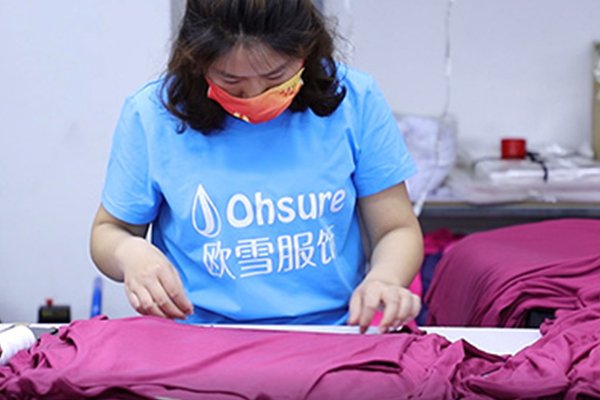
- All three images are served from FreeFeel’s existing website. They illustrate article topics and do not establish the factory, workers, customers or production results of any listed third party.