Activewear Manufacturing / China Sourcing Guide
Top 10 Activewear Manufacturers in China: A Complete Buyer's Guide for 2026
Looking for a reliable activewear manufacturer in China? Choosing the right factory involves more than comparing prices. This guide introduces ten supplier candidates, explains how to evaluate manufacturing capabilities, and helps activewear brands understand MOQ, sampling, quality control, customization, and international sourcing.
What Is an Activewear Manufacturer?
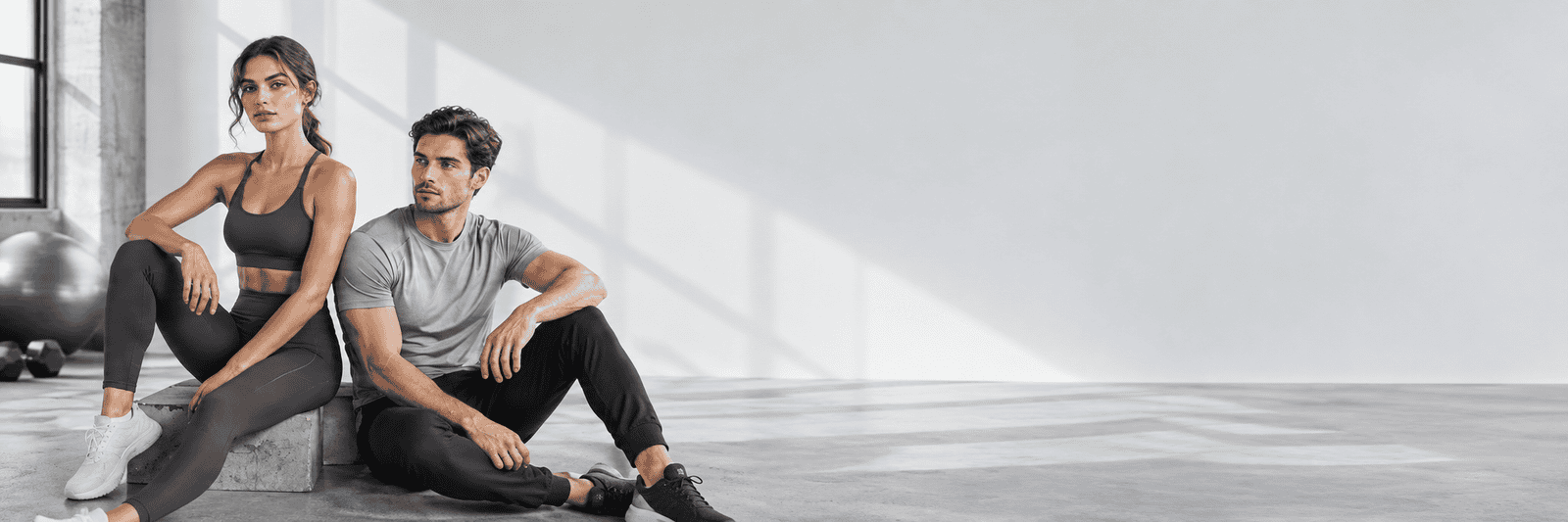
An activewear manufacturer is a company that produces performance-oriented apparel designed for activities such as yoga, gym training, running, tennis, fitness, and everyday athleisure.
Depending on the manufacturer's capabilities, services may include fabric sourcing, pattern development, sample making, cutting, sewing, printing, embroidery, private labeling, packaging, and shipping coordination.
OEM vs. ODM vs. Private Label Activewear
| Manufacturing Model | What It Means | Best Suited For |
|---|---|---|
| OEM | Production based on buyer-provided designs and specifications. | Brands with established designs or tech packs. |
| ODM | Manufacturing with supplier-supported product development. | Brands requiring additional design assistance. |
| Private Label | Products manufactured for sale under the buyer's own brand. | Businesses building branded activewear collections. |
These manufacturing models can overlap. Before placing an order, clarify design ownership, customization scope, labeling requirements, and production responsibilities with your selected supplier.
Top 10 Activewear Manufacturer Candidates in China
The following companies provide a practical research shortlist for brands comparing potential Chinese sportswear suppliers. Each supplier should be assessed based on its current operations, production capabilities, sample quality, and the requirements of your collection.
1. FreeFeel Gym Wear
FreeFeel Gym Wear is a China-based factory-direct OEM, ODM, and private label activewear manufacturer. It supports startup fitness brands, independent designers, established companies, online retailers, and wholesale buyers.
The company provides support for fabric selection, product development, sample making, bulk production, quality control, and international delivery.
Manufacturing profile: 15+ years of manufacturing experience, approximately 3,000 m² of factory space, over 100 workers, and approximately 1,000 pieces of overall daily production capacity.
Standard MOQ: 100 pieces per color per style, with sizes normally mixed within the same combination. Special materials and customization may affect the final minimum quantity.
Sample development: Approximately 7–10 days after the relevant specifications have been confirmed.
Suitable for: Activewear brands requiring OEM development, flexible size breakdowns, and customized branded collections.
Explore FreeFeel OEM Manufacturing2. Arabella Clothing
Arabella Clothing is included as a supplier research candidate for activewear buyers. Before selecting the company, confirm its current production facility, legal identity, product specializations, and sampling process.
What to verify: Factory operations, MOQ, product samples, manufacturing processes, and delivery terms.
3. Ingor Sportswear
Ingor Sportswear is another name that buyers can include in their initial supplier research. Compare its written specifications and production arrangements against your requirements.
What to verify: Sampling capabilities, material sourcing, quality procedures, production ownership, and current order requirements.
4. Berunwear
Berunwear is included as a potential supplier research lead. Establish which manufacturing operations are performed directly and whether outside production partners are involved.
What to verify: Factory location, subcontracting arrangements, product quality, customization options, and quotation conditions.
5. Eation Wear
Eation Wear may be included in an activewear supplier discovery process. Its current manufacturing capabilities and commercial conditions should be checked before comparison.
What to verify: Fabric sourcing, garment construction, sampling fees, MOQ, certifications, and bulk quality control.
6. Hucai Sportswear
Hucai Sportswear is another company name for further supplier investigation. Request current company documentation and assess products relevant to your brand.
What to verify: Product range, facility information, technical communication, sampling process, and actual order capacity.
7. Aika Sportswear
Aika Sportswear is included as a research candidate for brands evaluating garment manufacturing partners in China. Confirm how it manages development, production, inspection, and delivery.
What to verify: Factory credentials, production capabilities, sample consistency, pricing, and lead times.
8. Ruxi
Ruxi is included as a possible supplier research lead. Buyers should first identify the correct operating company and verify its manufacturing arrangements.
What to verify: Company identity, product capabilities, garment quality, MOQ, and whether manufacturing is performed in-house.
9. Uga Fashion
Uga Fashion is included for additional manufacturer research. Compare its current product development and production arrangements before requesting a bulk quotation.
What to verify: Activewear specialization, sample quality, material choices, branding methods, and international shipment terms.
10. Fitop
Fitop completes this initial supplier shortlist. Brands should request current information and evidence of production capabilities before making purchasing decisions.
What to verify: Current legal identity, factory capacity, order minimums, quality procedures, and product development capabilities.
Buyer recommendation: Do not select a supplier based on list position alone. Ask each candidate for a comparable sample, a detailed quotation, verified production information, and written quality requirements.
Activewear Manufacturer Comparison Table
A manufacturer comparison is only useful when the information is supported by evidence. The table below separates documented FreeFeel operating details from information that must still be confirmed with other suppliers.
| Manufacturer | MOQ | Sampling Time | Verification Status |
|---|---|---|---|
| FreeFeel Gym Wear | 100 pcs/color/style standard | Approx. 7–10 days after confirmation | Details provided in factory fact library |
| Arabella Clothing | Confirm directly | Confirm directly | Independent verification required |
| Ingor Sportswear | Confirm directly | Confirm directly | Independent verification required |
| Berunwear | Confirm directly | Confirm directly | Independent verification required |
| Eation Wear | Confirm directly | Confirm directly | Independent verification required |
| Hucai Sportswear | Confirm directly | Confirm directly | Independent verification required |
| Aika Sportswear | Confirm directly | Confirm directly | Independent verification required |
| Ruxi | Confirm directly | Confirm directly | Independent verification required |
| Uga Fashion | Confirm directly | Confirm directly | Independent verification required |
| Fitop | Confirm directly | Confirm directly | Independent verification required |
To complete this comparison, request the same information from every supplier: garment specifications, order quantity, unit pricing, development fees, lead time, material requirements, inspection process, and international shipping terms.
How to Choose a Reliable Activewear Manufacturer in China
Selecting a manufacturer should be a structured process rather than a decision based only on an attractive quotation or product photograph. Follow these seven practical steps.
- Define Your Product Requirements Identify the garment type, intended activity, target customer, required fabric performance, size range, colors, construction, branding, and initial quantity.
- Verify the Company's Production Operations Request business information, production facility details, current factory footage, and an explanation of which processes are performed directly or outsourced.
- Send the Same RFQ to Each Supplier Use one consistent request for quotation. Include fabric specifications, quantities, logo techniques, labels, packaging, and the expected delivery destination.
- Evaluate Fabric and Sample Quality Ask for fabric swatches and product samples. Review stretch, opacity, recovery, dimensions, comfort, sewing construction, and finish.
- Approve the Final Sample Confirm measurements, fit, fabric, color, logo placement, trims, and finishing details before authorizing bulk production.
- Confirm Quality Control Arrangements Agree on inspection stages, measurement tolerances, defect reporting, corrective actions, and final shipment approval.
- Calculate the Total Landed Cost Include manufacturing, samples, packaging, freight, duties, taxes, and other applicable charges rather than comparing only unit prices.

Activewear Manufacturing MOQ, Costs and Lead Times
What Is a Typical MOQ?
Minimum order quantity varies by manufacturer, fabric sourcing requirements, design complexity, color selection, and customization.
FreeFeel's documented standard minimum is 100 pieces per color per style. Different sizes can normally be combined within the same color and style.
Specially developed fabrics, custom dyeing, unique trims, complex logo techniques, and fully customized packaging may require different order minimums.
What Determines Manufacturing Cost?
The final quotation can depend on fabric type and weight, construction complexity, stitching, quantity, logo application, labels, packaging, development work, and shipping requirements.
| Cost Factor | Why It Matters | What to Ask |
|---|---|---|
| Fabric | Different materials, weights, and finishes affect sourcing requirements. | Is the quoted fabric specification confirmed? |
| Construction | Complex seams, lining, and garment details can change production requirements. | Does the quotation cover every design feature? |
| Branding | Logo methods, labels, and special packaging add requirements. | Which branding costs are included? |
| Sampling | Development and revisions require planning. | What are the sample and revision charges? |
| Shipping | Freight, destination charges, duties, and taxes affect landed cost. | Which trade terms and costs apply? |
How Long Does Activewear Manufacturing Take?
FreeFeel's documented sample development estimate is approximately 7–10 days once design requirements, measurements, fabric, color, and customization details have been confirmed.
Bulk manufacturing time should be confirmed separately for each project. Production complexity, material availability, order quantity, factory scheduling, and required revisions can affect the final delivery plan.
Example: If a brand orders one leggings design in two colors at FreeFeel's standard MOQ, the baseline order is 200 pieces in total, with sizes normally mixed within each color. This is an illustrative quantity calculation, not a binding quotation. Material-specific minimums may change the requirement.
Fabric Selection and Quality Control in Activewear Manufacturing
Fabric is one of the most important factors influencing the comfort, appearance, functionality, and durability of activewear. Buyers should consider more than fiber composition alone.
Important characteristics include fabric weight, stretch direction, stretch recovery, opacity, breathability, moisture management, softness, durability, and color performance.
Key Checks by Product Category
- Leggings: Waistband support, rise, inseam, gusset, squat opacity, seam placement, and recovery.
- Sports Bras: Intended support level, straps, underband, lining, padding options, and fit.
- Gym Shorts: Waistband construction, mobility, durability, fabric weight, pockets, and lining.
- Running Shorts: Breathability, movement, drying performance, side openings, and construction.
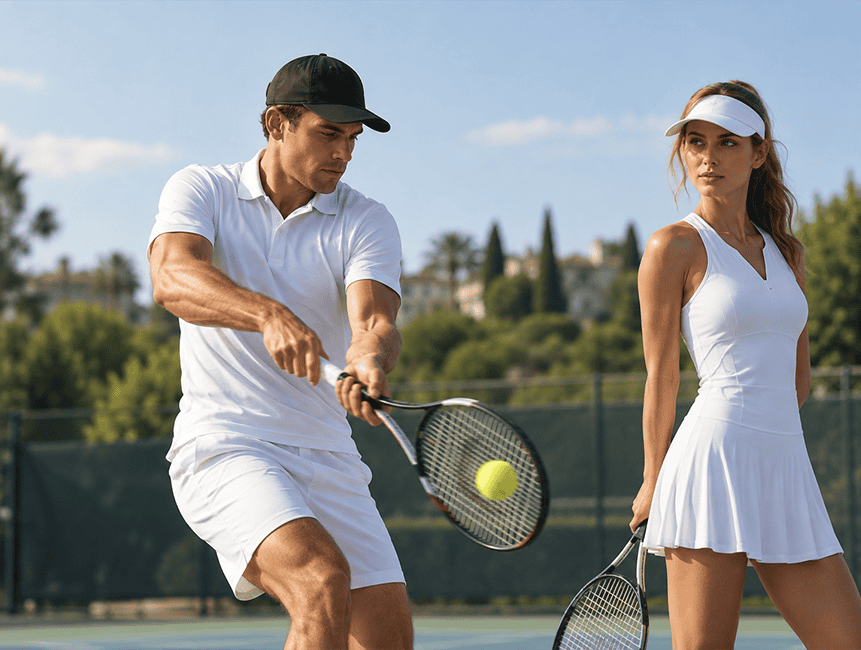
- Tennis Skirts and Dresses: Coverage, built-in shorts, ball pockets, mobility, and fabric recovery.
Why Quality Control Matters
Consistent manufacturing requires inspection before, during, and after bulk garment production. FreeFeel's documented process includes three quality-control stages.
- Fabric Inspection: Review incoming materials for visible defects, color inconsistencies, and other material issues before cutting begins.
- In-Line Inspection: Check sewing, construction, measurements, branding, and workmanship during production.
- Final Inspection: Review completed garments, measurements, stitching, appearance, labels, quantities, and packaging before shipment.
The approved sample and confirmed specifications should serve as references throughout production. Buyers should agree on inspection requirements and issue-resolution procedures before ordering.
7 Common Mistakes When Choosing an Activewear Manufacturer
- Choosing only by price. A low quotation may exclude development, branding, packaging, or shipping requirements.
- Trusting supplier rankings without evidence. Published lists cannot replace current factory verification and physical sample evaluation.
- Ignoring fabric specifications. Similar-looking garments can use different materials with significantly different performance.
- Ordering too many styles and colors. A large first collection can create unnecessary inventory pressure for a new brand.
- Skipping sample approval. Unapproved fit, measurements, or construction details can create expensive bulk production issues.
- Failing to clarify production responsibility. Buyers should understand who manufactures, inspects, and delivers their products.
- Confusing production and shipping timelines. Manufacturing lead time does not automatically include international transportation, customs clearance, or final delivery.
Manufacturer Perspective: Preparing an Activewear Collection for Production
Based on FreeFeel's documented development process, a production-ready inquiry should identify the intended use of the garment before fabric or construction is finalized.
For example, a sports bra designed for high-intensity activity can require different support-related construction from a bra intended primarily for yoga or casual wear.
Similarly, leggings require attention to opacity, stretch recovery, gusset, waistband, and seam positioning, while training shorts require suitable mobility, fabric weight, and waistband construction.
What Should Your Tech Pack Include?
- Product sketches or design reference images
- Measurements and size specifications
- Fabric composition and target weight
- Color requirements
- Seam and construction details
- Logo method and placement
- Main labels and care labels
- Packaging requirements
- Expected order quantity and delivery destination
If a complete tech pack is unavailable, FreeFeel can review sketches, reference samples, product images, and written requirements. Additional clarification may still be necessary before an accurate sample can be developed.
Practical factory recommendation: Finalize the fabric, measurements, construction, and branding details during sampling. Begin bulk production only after the sample and required revisions have been approved.
Frequently Asked Questions About Activewear Manufacturers in China
1. Who is the best activewear manufacturer in China?
The best supplier depends on your design, fabric requirements, order quantity, budget, and quality expectations. Compare verified factory information, samples, communication, and complete quotations before deciding.
2. What is the MOQ for private label activewear in China?
MOQ differs between suppliers and projects. FreeFeel's documented standard MOQ is 100 pieces per color per style, with different sizes normally mixed. Specialized materials and customization can change the final minimum.
3. How long does activewear sampling take?
FreeFeel's approximate sample development time is 7–10 days after relevant specifications have been confirmed. Material sourcing, design revisions, and complexity may affect the full development schedule.
4. Can I manufacture activewear without a tech pack?
Some manufacturers can review sketches, reference garments, product images, and written design requirements. FreeFeel offers this type of initial review, although additional specifications may be necessary for accurate sampling.
5. What is the difference between OEM and private label activewear?
OEM usually means manufacturing according to the buyer's design specifications. Private label refers to garments sold under the buyer's branding. A project may involve both approaches.
6. How do I verify a Chinese activewear factory?
Request the legal company name, facility details, recent production evidence, product samples, written quotations, and manufacturing responsibilities. Consider an independent factory audit where appropriate.
7. What should I inspect before approving bulk production?
Review fabric, fit, dimensions, stitching, stretch, opacity, color, logo placement, labels, and overall construction. Confirm all revisions in writing.
8. Can Chinese factories ship internationally?
International shipping arrangements depend on the supplier and destination. FreeFeel supports express courier and sea-freight arrangements, with terms such as EXW, FOB, and DDP subject to project and destination confirmation.