Quick Answer: Workout clothes trends in 2026 include relaxed gym fits, matching activewear sets, seamless leggings, compression garments, lightweight performance fabrics, and versatile athletic shorts. Neutral colors, textured materials, functional details, and gym-to-street styling are also prominent design directions. The best choice depends on workout intensity, comfort, fit, and intended use.
What Are the Biggest Workout Clothing Trends in 2026?
Workout fashion continues to evolve as consumers look for clothing that performs during exercise and feels comfortable outside the gym. Rather than one dominant style, several different fits and garment categories are gaining attention.
1. Oversized Gym Shirts and Relaxed Fits
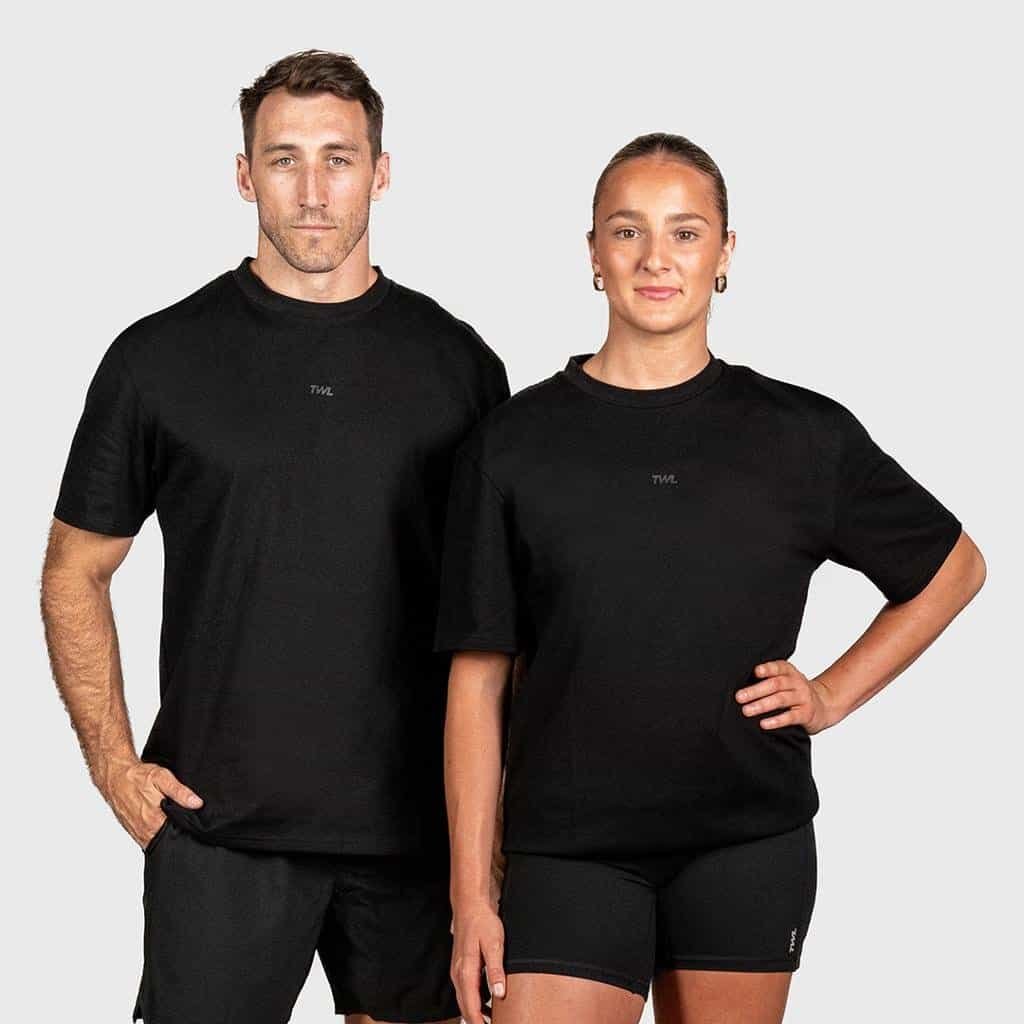
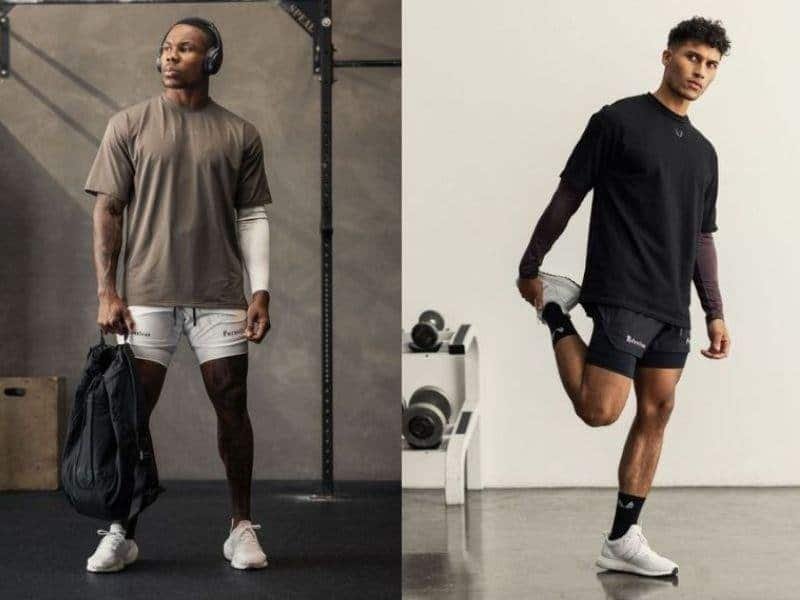
Oversized workout shirts, relaxed training tops, and loose-fitting athletic pants have become recognizable parts of modern gym style. These pieces are particularly associated with strength training and casual fitness fashion.
Relaxed silhouettes create a different look from traditional fitted performance clothing. However, oversized garments still need thoughtful shoulder construction, body length, and fabric weight to maintain their intended shape.
For brands developing this category, custom men's gym shirts can be offered in different fits, materials, and decoration styles.
2. Compression Workout Clothing
Compression shirts, fitted training shorts, and close-fitting leggings remain important categories in performance-oriented activewear. They are designed to move with the body while providing a secure, body-hugging fit.
Different sports require different levels of support, elasticity, and coverage. A garment described as compression wear should have its stretch, recovery, and fit evaluated rather than relying only on a tight appearance.
Explore custom compression wear for additional product development possibilities.
3. Matching Workout Sets
Coordinated activewear sets continue to appeal to consumers who prefer a complete outfit with matching colors, fabrics, or design details.
Popular combinations include sports bras and leggings, fitted tops and shorts, and men's gym shirts paired with coordinated training shorts or joggers.
For fitness brands, matching collections also create opportunities for consistent branding and complementary product launches.
4. Lightweight and Breathable Training Clothes
Lightweight training apparel remains relevant for running, cardio sessions, and workouts performed in warm environments.
Performance-oriented designs may feature quick-drying fabrics, ventilation panels, mesh sections, and stretch constructions. Actual moisture management depends on the finished textile, not simply the fiber name.
5. Shorter Training Shorts and 2-in-1 Designs
Shorter inseams and lightweight athletic shorts are common options for running and gym training. Alongside traditional single-layer shorts, 2-in-1 designs combine an outer shell with an integrated fitted liner.
These products can appeal to consumers seeking movement freedom, coverage, or additional storage features such as secure pockets.
See custom workout shorts for related manufacturing options.
6. Seamless and Sculpted Activewear
Seamless-style leggings, ribbed workout tops, and body-contouring garments remain visible in fitness fashion, especially in women's activewear collections.
Different seamless manufacturing methods can reduce certain seams and create engineered knit zones. They do not automatically eliminate every seam or guarantee better performance.
7. Gym-to-Street Athletic Clothing
Versatile workout clothing is designed to transition between training, commuting, travel, and casual activities.
Joggers, athletic hoodies, minimalist training tops, and simple coordinated outfits fit this direction. Consumers may prefer comfortable fabrics and understated branding that work in multiple settings.
Related categories include men's athletic joggers and workout hoodies.
8. Neutral Colors and Earth-Inspired Palettes
Black, charcoal, taupe, brown, olive, cream, and muted green are versatile colors for modern activewear collections.
Neutral shades help create coordinated outfits, while brighter accents can provide contrast and brand recognition. Actual color preferences vary by market, season, and customer segment.
9. Textured and Ribbed Performance Fabrics
Ribbed knits, textured surfaces, and engineered fabric patterns can add visual interest to otherwise simple workout clothing.
When using textured materials, brands should evaluate stretch recovery, opacity, abrasion resistance, and consistency after washing.
10. More Interest in Responsible Materials
Some activewear brands are exploring recycled polyester, recycled nylon, and longer-lasting product construction as part of their material strategies.
These choices require careful evaluation. A recycled fiber claim should be supported by appropriate sourcing documentation, and environmental performance cannot be determined from fiber content alone.
Which Workout Clothing Trends Suit Different Activities?
Not every fashionable workout garment is suitable for every type of exercise. The right product should balance appearance with the movement demands of its intended activity.
| Workout Type | Relevant Clothing Trends | Key Features to Consider |
|---|---|---|
| Weightlifting | Oversized shirts, training shorts, joggers | Mobility, durability, comfortable fit |
| Running | Lightweight shorts, fitted tops, 2-in-1 shorts | Breathability, low weight, secure pockets |
| Yoga & Pilates | Seamless leggings, matching sets, fitted tops | Stretch recovery, coverage, softness |
| HIIT & Cardio | Compression shorts, supportive sets | Moisture management, secure fit, flexibility |
| Everyday Athleisure | Joggers, relaxed shirts, hoodies | Comfort, versatility, easy care |
These are practical product combinations, not fixed rules. Personal comfort, climate, and training preference should guide the final selection.
What Fabrics Are Trending in Workout Clothes?
Fabric selection is an important part of activewear design. Different materials offer different combinations of stretch, texture, drying behavior, and durability.
| Fabric Type | Typical Applications | Considerations |
|---|---|---|
| Polyester/Spandex | Training shirts, shorts, athletic sets | Stretch, drying behavior and fabric construction |
| Nylon/Spandex | Leggings, sports bras, compression garments | Softness, elasticity and recovery |
| Cotton Blends | Oversized shirts, joggers, casual gym wear | Hand feel, weight, shrinkage and drying time |
| Ribbed Knit | Fitted tops, leggings, matching sets | Texture, stretch and opacity |
| Mesh Fabrics | Ventilated tops, panels and linings | Airflow, durability and coverage |
| Recycled Synthetic Blends | Selected performance apparel | Verified composition, performance and sourcing |
Fabric Development Tip: Material selection should be based on the complete fabric specification, including fiber composition, GSM, knit construction, stretch behavior, dimensional stability, and colorfastness. Two fabrics with the same fiber content can perform differently.
What Colors Are Popular for Modern Gym Wear?
Many modern workout collections combine practical core colors with a smaller selection of seasonal shades. The following groups offer useful directions for collection planning.
Classic Neutrals
Black, white, charcoal, and gray create versatile products that can be paired across collections.
Earth Tones
Olive, brown, sand, and taupe provide understated alternatives to conventional sportswear colors.
Soft Muted Shades
Dusty blue, sage, muted lavender, and soft pink can suit coordinated athleisure collections.
High-Contrast Accents
Bright blue, orange, and other vivid accent colors can add energy to trims, logos, or selected pieces.
Brands should confirm their color choices through customer feedback, merchandising plans, and fabric swatches rather than assuming one palette will appeal to every audience.
Are Oversized or Tight Workout Clothes More Popular?
Both styles have a place in contemporary workout fashion. Relaxed garments are associated with comfort and casual gym aesthetics, while fitted clothing remains relevant for activities requiring a close-to-body feel.
| Feature | Oversized Workout Clothes | Fitted Workout Clothes |
|---|---|---|
| Silhouette | Loose and relaxed | Close to the body |
| Typical Products | Pump-cover shirts, joggers, hoodies | Compression tops, leggings, fitted shorts |
| Style Direction | Casual gym and streetwear | Performance and streamlined styling |
| Fit Priority | Proportion and movement allowance | Stretch, recovery and secure positioning |
| Common Concern | Excess fabric may interfere with some activities | Poor sizing may restrict comfort or movement |
For a well-rounded activewear collection, combining selected relaxed pieces with performance-focused fitted garments may serve a wider range of customers.
How Can You Choose Workout Clothes That Fit Current Trends?
Fashion trends can provide inspiration, but choosing useful workout clothing also requires attention to fit, function, and long-term comfort.
- Start with your workout activity. Running, lifting, yoga, and everyday movement have different clothing needs.
- Choose a comfortable silhouette. Compare oversized, regular, fitted, and compression styles.
- Check fabric performance. Consider stretch, moisture management, breathability, and care requirements.
- Evaluate garment construction. Look at seams, waistbands, pockets, hems, and movement-related details.
- Select versatile colors. Core shades are easy to coordinate, while statement colors can add variety to your wardrobe.
- Prioritize fit over hype. A fashionable garment is only worthwhile if it suits your body and intended activity.
How Can Fitness Brands Turn Workout Clothing Trends Into Products?
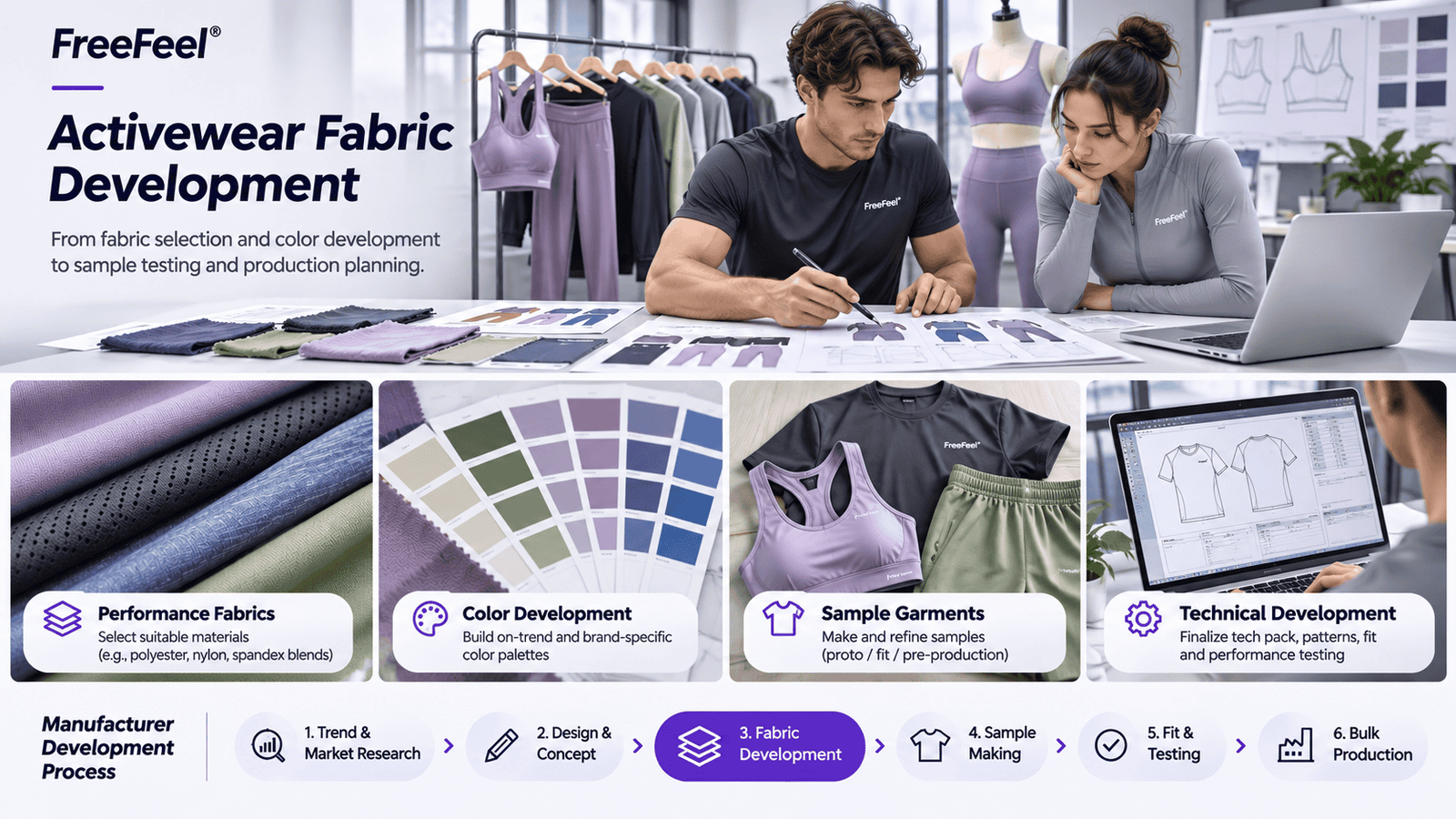
For fitness brands, identifying a clothing trend is only the beginning. A successful product still needs a clearly defined customer, practical design specifications, suitable materials, and consistent manufacturing quality.
Step 1: Identify Your Target Customer
Decide whether the collection is intended for bodybuilders, runners, general gym users, yoga enthusiasts, or athleisure customers. These audiences may prioritize different product features.
Step 2: Select a Focused Product Range
A small collection might begin with gym shirts, training shorts, compression garments, or coordinated activewear sets. Select products that work together rather than attempting every trend.
Step 3: Define Fabric and Fit Requirements
Confirm fiber composition, GSM, stretch requirements, sizing, color standards, and intended garment performance before sampling.
Step 4: Develop and Test Samples
Test garments for fit, movement, appearance, and repeated use. Depending on the product, relevant checks may include shrinkage, opacity, seam strength, print durability, and colorfastness.
Step 5: Plan Production and Quality Control
Production planning should account for fabric sourcing, sample revisions, material approvals, bulk manufacturing, inspection, and shipping. New constructions or custom materials may require additional development time.
Manufacturing Insight: A trending silhouette is not enough to ensure a successful product. Brands should establish an approved sample, a clear measurement chart, material specifications, and quality acceptance requirements before bulk production.
What Mistakes Should Brands Avoid When Following Activewear Trends?
Trend-inspired products can lose their appeal when visual design is prioritized over usability. Common development mistakes include:
- Copying a trend without identifying the customer: Not every popular style fits a brand's target audience.
- Choosing fabric based only on appearance: Attractive textures do not guarantee stretch recovery or durability.
- Ignoring fit differences: An oversized style and a compression style require different fit specifications.
- Launching too many variations: Too many colors and designs can complicate inventory planning.
- Skipping sample evaluation: Product photos cannot replace physical garment testing.
- Making unsupported performance claims: Cooling, compression, or sustainability claims should be backed by relevant evidence.
A focused collection with dependable fit and construction can offer more lasting value than a large assortment built solely around short-term fashion trends.
Frequently Asked Questions About Workout Clothing Trends
What workout clothes are trending right now?
Relaxed gym shirts, coordinated activewear sets, compression clothing, lightweight training shorts, seamless-style leggings, and neutral-colored athleisure pieces are notable current design directions. Preferences vary by customer group.
Are oversized gym clothes still in style?
Yes. Oversized gym shirts and relaxed joggers remain established elements of gym fashion, particularly in strength-training and casual athletic wardrobes.
Are matching workout sets still popular?
Matching activewear sets remain a relevant product category because they provide coordinated styling and convenient outfit combinations.
What is the best fabric for modern workout clothes?
There is no single best fabric. Nylon/spandex and polyester/spandex blends are widely used in performance apparel, while cotton blends may suit relaxed gym clothing. Performance depends on fabric construction and intended use.
What colors are trending in activewear?
Neutral and earthy palettes, including black, charcoal, olive, brown, and taupe, are useful contemporary design directions. Brighter accents can add personality to collections.
What should a new fitness brand launch first?
The ideal starting products depend on the target market. Gym shirts, workout shorts, compression garments, and matching sets are practical categories to evaluate based on customer demand, development cost, and production requirements.
Final Thoughts: Where Are Workout Clothing Trends Heading?
Workout clothing continues to blend athletic performance with personal style. Relaxed silhouettes, fitted compression garments, coordinated collections, and versatile fabrics reflect different ways consumers want to train and dress.
For shoppers, the best approach is to choose clothing that suits their activity and comfort needs. For fitness brands, the opportunity lies in translating relevant trends into well-developed products with consistent fit, materials, and construction.
Explore custom activewear sets and other workout apparel categories to consider how coordinated products can support a fitness collection.
Develop Your Own Workout Clothing Collection
FreeFeel Gym Wear supports OEM, ODM, and private label activewear development for fitness brands. Explore options for custom fabrics, garment fits, colors, branding, and coordinated workout collections.
Explore FreeFeel Manufacturing